
Clean Affordable Energy
Why Inclusive Energy Access Matters in Rural Cameroon
Oct
Why Inclusive Energy Access Matters in Rural Cameroon
Empowering rural communities through affordable clean energy, digital innovation, and sustainable opportunities.
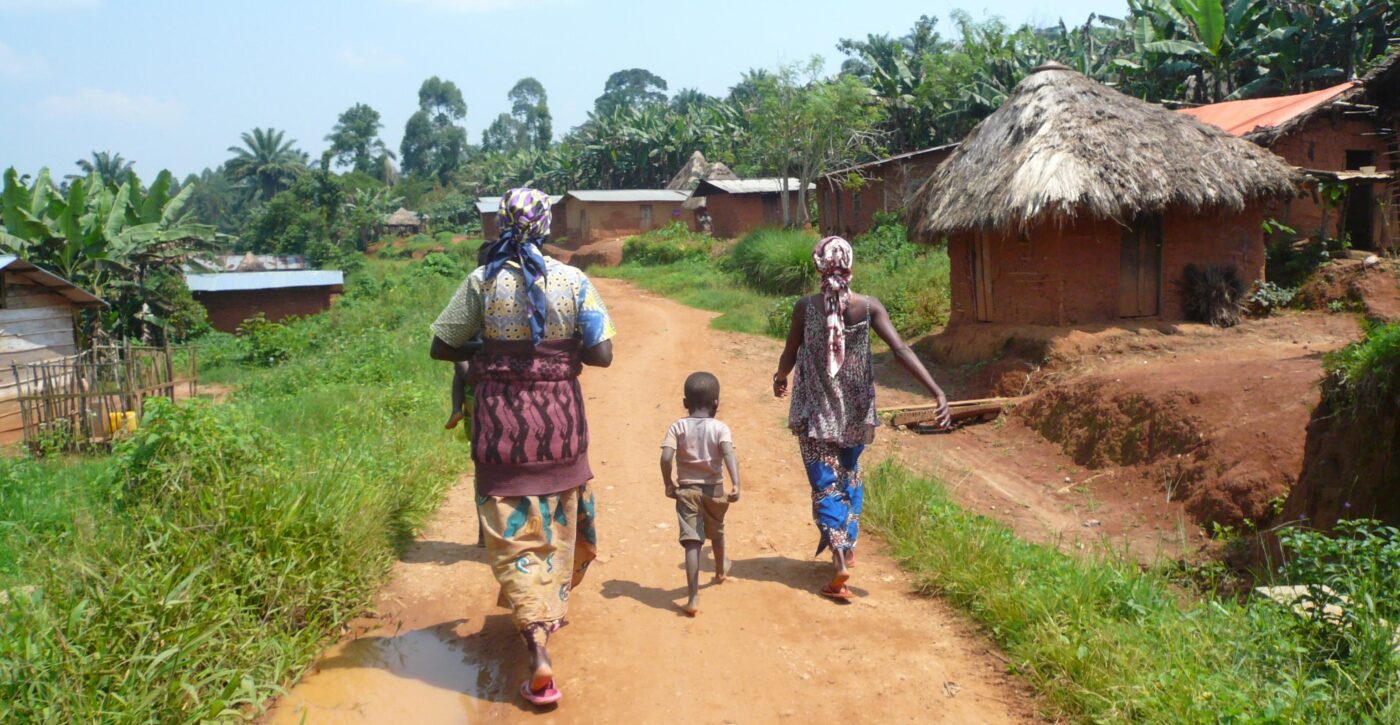
Imagine a child in rural Cameroon trying to study after sunset, a small business owner unable to operate essential equipment because electricity is unavailable, or a health worker struggling to deliver services without reliable power.
For many people living in underserved rural communities, these challenges are part of everyday life. Behind each one is a larger issue: energy poverty.
Electricity is more than a utility. It is an enabler of education, healthcare, entrepreneurship, digital inclusion, gender equality, and economic development. Yet millions of people across sub-Saharan Africa continue to live without reliable access to electricity, limiting their opportunities to participate fully in a rapidly changing world.
In Cameroon, this challenge remains particularly significant in rural areas. According to the World Bank’s January 2025 report, approximately 75% of the rural population lacked electricity access at that time. The report highlights the importance of expanding reliable, affordable electricity through grid extension and decentralized solutions, including solar energy systems.
The question, therefore, is not simply how to produce more electricity. It is how to ensure that the people who need energy most can actually access and benefit from it.
This is where inclusive energy access becomes essential.
At Greenargy, we believe that access to clean energy should not be determined by geography or income. Through digital innovation, flexible financing, and community-driven distribution, we are working to make clean energy more accessible to underserved rural households and businesses.
What Is Inclusive Energy Access?
Inclusive energy access means ensuring that everyone can access affordable, reliable, safe, and sustainable energy, regardless of income, gender, disability, or geographical location.
It goes beyond connecting a household to an electricity grid. True inclusion means ensuring that people can afford the energy services they need, obtain suitable products, access technical support, and use energy to improve their lives and livelihoods.
A community may be located far from the national electricity grid. Another may have nearby infrastructure but face high connection costs, unreliable supply, or difficulty affording electricity and appliances.
In both situations, energy access must be designed around people’s realities.
This requires a combination of solutions, including grid expansion, decentralized renewable energy, standalone solar systems, mini-grids, appropriate financing, and locally accessible distribution and maintenance services.
The International Energy Agency’s 2025 report, Financing Electricity Access in Africa, emphasizes that achieving universal electricity access requires substantial investment and a combination of grid-based and decentralized solutions.
Inclusive energy access is therefore not simply an infrastructure challenge. It is also a question of affordability, opportunity, equity, and sustainable development.
1. Inclusive Energy Access Creates Opportunities for Education
Education is one of the most important reasons to expand electricity access in rural Cameroon.
For a child without reliable lighting at home, sunset can mark the end of the school day, even when homework remains unfinished. Families may rely on candles, kerosene lamps, or other alternatives that provide limited lighting and can introduce avoidable safety and indoor-air-quality concerns.
Access to suitable solar reading lamps and reliable household lighting can help children study after dark without depending on kerosene lighting.
Electricity can also support digital learning by enabling device charging, access to educational resources, and the use of digital technologies where connectivity and other necessary infrastructure are available.
However, the benefits extend beyond individual students.
Schools with reliable electricity can have more opportunities to use digital learning tools, support computer-based education, and improve certain aspects of the learning environment.
For rural communities, clean energy can therefore contribute to a broader vision of educational inclusion: ensuring that a child’s opportunities are not unnecessarily limited by where they live.
At Greenargy, we recognize the relationship between energy access and digital inclusion. A connected world cannot be fully inclusive if millions of people lack the energy needed to power the devices and technologies that make digital participation possible.
2. It Strengthens Rural Businesses and Local Economies
Small businesses are essential to rural economies in Cameroon.
From agricultural enterprises and neighborhood shops to tailoring businesses, food vendors, and service providers, entrepreneurs depend on energy to operate efficiently, communicate with customers, and grow their businesses.
Without reliable electricity, business owners may face additional operating costs, limited working hours, and restrictions on the equipment they can use.
For some businesses, appropriate solar energy systems can provide a practical alternative or complement to grid electricity and diesel generators.
Reliable power can support lighting, phone charging, refrigeration where suitable, and other productive activities, depending on the capacity of the system installed.
The benefits of energy access can extend throughout the local economy. When businesses operate more effectively, they may be able to serve more customers, increase productivity, and create employment opportunities.
Yet providing the technology alone is not enough.
Rural entrepreneurs also need affordable products, appropriate financing, dependable installation, and access to maintenance services.
This is why inclusive energy access must combine energy technologies with business models that reflect the financial realities of rural households and enterprises.
At Greenargy, our approach connects digital product discovery with financing options and community-based distribution, helping bring clean energy solutions closer to the people who need them.
3. It Advances Women’s Economic Empowerment
Women play a central role in rural households, agriculture, trade, education, and community development. Yet they can face additional barriers to accessing energy technologies, finance, technical training, and employment opportunities.
Inclusive energy access offers an opportunity to address these inequalities.
Affordable energy can support women who operate small businesses, process agricultural products, provide community services, or need electricity for productive activities.
At the same time, the clean-energy sector can create opportunities for women to participate as solar technicians, entrepreneurs, distributors, sales agents, and community educators.
This matters because women should not be viewed only as beneficiaries of the energy transition. They should also be recognized as participants, innovators, and leaders within it.
Greenargy is committed to strengthening women’s participation in community-based clean-energy distribution and expanding opportunities for women and girls to contribute to the growing green economy.
Our reported work includes training 39 female technicians, reflecting our commitment to developing local capacity and creating pathways for women to participate in the energy sector.
As we expand, we aim to strengthen these opportunities through partnerships, training, and community-driven distribution.
An inclusive energy transition must create opportunities for women to access clean energy, earn incomes, develop technical skills, and participate in decisions that affect their communities.
4. It Supports Better Health, Safety, and Well-Being
Energy poverty can affect health and well-being in ways that are not always immediately visible.
Households relying on kerosene lamps and other polluting fuels may face exposure to smoke, fire hazards, and burns. Inadequate lighting can also make household activities more difficult after sunset.
Replacing kerosene lighting with appropriate solar alternatives can reduce dependence on these fuels and improve the quality of household lighting.
Beyond homes, reliable electricity is important for health facilities that need lighting, communications, refrigeration, and electricity for medical equipment.
Where health facilities lack reliable power, the consequences can extend to patients, healthcare workers, and the wider community.
Solar energy systems, battery storage, and other suitable electricity solutions can help support essential services when appropriately designed, installed, and maintained.
Nevertheless, energy solutions must match the intended use. A small solar reading lamp can improve household lighting, but it cannot meet the electricity needs of a health facility or power-intensive business.
Inclusive energy access requires understanding these differences and connecting people with solutions appropriate to their circumstances.
5. It Accelerates the Transition to Clean Energy
Rural electrification and climate action should advance together.
In communities where electricity access is limited, households and businesses may rely on kerosene lamps, candles, diesel generators, or other alternatives.
Solar energy and other renewable technologies can help reduce dependence on certain fossil-fuel-based energy sources and polluting lighting options.
Their environmental benefits depend on the systems they replace, their performance, their useful life, and the responsible management of batteries and electronic waste.
The broader objective is to accelerate the urgent transition from fossil fuels to clean energy while ensuring that underserved communities are not left behind.
This requires more than deploying renewable technologies. It also requires financing, infrastructure, technical expertise, supportive policies, and business models that enable people to adopt and maintain clean-energy solutions.
For rural Cameroon, decentralized renewable energy can complement national electrification efforts by providing practical options for communities and households that remain underserved.
Grid expansion remains essential, but it may not be the most immediate or economical solution for every location. Depending on local circumstances, standalone solar systems and mini-grids can help extend access to suitable electricity services.
The goal should be to identify the right combination of solutions for each community.
6. It Bridges the Digital Divide
Digital inclusion increasingly depends on reliable electricity.
Mobile phones, computers, internet routers, digital payment systems, and other connected devices require power. Without dependable electricity, people can face additional barriers to accessing online education, financial services, information, communication, and digital markets.
This creates a connection between energy poverty and digital exclusion.
A rural entrepreneur may have a mobile phone but struggle to keep it charged. A student may have access to educational resources online but lack reliable power to use a device. A household may be within reach of mobile money services but face difficulties charging the phone needed to complete transactions.
Affordable energy can help remove one of the fundamental barriers to digital participation.
This is especially important as African economies increasingly embrace digital services, online commerce, mobile finance, and technology-enabled entrepreneurship.
At Greenargy, we believe that ending energy poverty is essential to advancing meaningful digital inclusion.
As a Digital Energy Platform, Greenargy connects clean-energy access with digital discovery, financing options, community distribution, and customer support.
Our vision extends beyond making solar products available. We aim to help build a more accessible ecosystem through which underserved communities can discover, finance, obtain, and benefit from clean energy.
7. Why Affordability and Financing Matter
One of the most persistent barriers to clean-energy adoption is the upfront cost.
A household may understand the benefits of a solar home system and want to move away from kerosene lighting, yet still be unable to pay the full purchase price at once.
For families with irregular incomes, the challenge can be particularly significant.
The International Energy Agency’s 2025 analysis of electricity access in Africa identifies financing and affordability as major obstacles to expanding access.
This means that improving the availability of clean-energy products must go hand in hand with developing appropriate ways for customers to pay for them.
Several approaches can help, depending on the product, market, and customer’s financial circumstances.
Pay-As-You-Go (PAYGo) financing
PAYGo models can allow eligible customers to make payments over time rather than paying the entire cost upfront. The affordability of the arrangement depends on the payment schedule, fees, household income, and other contract terms.
Rent-to-Own arrangements
Rent-to-Own options can provide a pathway for customers to use an energy product while making agreed payments toward ownership, subject to the terms of the arrangement.
Mobile money payments
Where mobile money services are available, digital payments can make transactions more convenient and reduce the need to travel to make payments.
Community-based distribution
Local solar agents can help customers understand available products, compare options, ask questions, and obtain support closer to home.
These approaches are not a substitute for responsible lending, transparent pricing, or realistic affordability assessments. Poorly designed financing can place additional pressure on already vulnerable households.
The objective must be to make clean energy genuinely attainable while protecting customers and supporting the long-term sustainability of energy services.
This is an important part of Greenargy’s approach to inclusive energy access.
By bringing digital discovery, flexible financing options, mobile money payments, and community-driven distribution together, we aim to address some of the practical barriers that prevent rural customers from accessing suitable clean-energy solutions.
8. Greenargy: Digitizing Energy Access in Rural Cameroon
The conversation about inclusive energy access is global, but its success depends on solutions that work in local communities.
In Kumba, in Cameroon’s Southwest Region, Greenargy is working to make clean energy more accessible to underserved rural households and businesses.
Founded in 2024, Greenargy is a Digital Energy Platform transforming how people discover, finance, access, and manage clean-energy solutions.
Our approach recognizes that energy access involves more than solar panels and batteries. It also requires accessible distribution, suitable financing, trusted local agents, installation, maintenance, and ongoing customer support.
Our model brings these elements together through several complementary activities.
Digital access to clean energy
Our platform helps customers discover and explore clean-energy products and solutions online.
The aim is to make it easier for customers to understand their options and connect with products suited to their needs.
Flexible financing options
PAYGo financing and Rent-to-Own arrangements form part of our approach to making suitable clean-energy products more attainable for customers who cannot readily afford full upfront payments.
Community solar agents
Our community-driven distribution network is designed to bring product information and access closer to rural households.
Local agents can help bridge the gap between digital platforms and communities where face-to-face guidance remains important.
Installation and maintenance support
Access to a solar product is only the beginning. Customers also need appropriate installation, guidance on using their systems, and access to maintenance when required.
Connecting customers with these services is an important part of creating a more complete energy-access experience.
Women’s participation and green livelihoods
We aim to create opportunities for women and young people to participate in the clean-energy economy through community distribution, technical training, and green jobs.
Our reported work includes training 39 female technicians and establishing a solar distribution presence in two villages.
Greenargy has also reported reaching more than 65,000 people through its activities. As we expand, we recognize the importance of continuing to measure and document our reach, the quality of energy services delivered, and the longer-term outcomes for communities.
Our 2030 ambition
Our ambition is to establish 10 additional solar distribution hubs by 2030, reach one million people, expand our community solar agent network, create green jobs, and strengthen partnerships that advance affordable clean-energy access.
Achieving this ambition will require sustained collaboration, appropriate financing, reliable technology, local participation, and continued learning.
We are committed to working with organizations and individuals who share our belief that rural communities deserve an equitable opportunity to benefit from the clean-energy transition.
9. Why Partnerships Are Essential to Closing the Energy Gap
No single organization can solve rural energy poverty alone.
Expanding inclusive energy access requires cooperation among governments, energy companies, technology providers, financial institutions, development organizations, investors, local entrepreneurs, and community leaders.
Each partner can contribute different resources and expertise.
Governments and public institutions can support enabling policies, rural electrification plans, infrastructure development, and initiatives that improve affordability.
Renewable-energy manufacturers and technology providers can help improve access to reliable products, technical expertise, training, and after-sales support.
Financial institutions and impact investors can help develop financing mechanisms, provide appropriate capital, and support business models capable of reaching underserved customers.
Development organizations and grant makers can support community-based programmes, women’s economic empowerment, capacity building, and initiatives that demonstrate measurable social impact.
Telecommunications and digital-service providers can help strengthen the digital infrastructure and payment services that make technology-enabled energy access more practical.
Community organizations and local leaders can help identify priority needs, build trust, encourage participation, and ensure that solutions respond to local circumstances.
For Greenargy, partnerships are essential to expanding our reach and strengthening our ability to deliver sustainable energy-access solutions.
We welcome engagement with partners who want to support digital innovation, affordable solar financing, community-based distribution, women’s participation in the energy transition, and clean-energy access for underserved rural communities.
Together, we can help turn promising local solutions into stronger, more sustainable models for expanding energy access.
10. Inclusive Energy Access and the Sustainable Development Goals
Inclusive energy access is directly connected to the United Nations Sustainable Development Goal 7 (SDG 7), which calls for affordable, reliable, sustainable, and modern energy for all.
Its impact also extends to several other Sustainable Development Goals.
SDG 1: No Poverty
Affordable energy can support livelihoods, productive activities, and opportunities for economic participation.
SDG 4: Quality Education
Reliable lighting and electricity-enabled technologies can support learning and access to educational resources.
SDG 5: Gender Equality
Inclusive energy programmes can expand women’s access to energy services, technical training, entrepreneurship, and employment.
SDG 8: Decent Work and Economic Growth
Clean-energy distribution, installation, maintenance, and related services can create opportunities for employment and enterprise development.
SDG 9: Industry, Innovation and Infrastructure
Digital platforms and decentralized renewable-energy systems can contribute to more accessible and resilient energy services.
SDG 13: Climate Action
Appropriate renewable-energy solutions can help reduce dependence on polluting energy alternatives and support the wider transition to cleaner energy.
These connections demonstrate why inclusive energy access should be treated as a development priority rather than an isolated technical objective.
When energy solutions are designed around people’s needs, they can help create opportunities across education, livelihoods, gender equality, and climate action.
The Way Forward: Leaving No Rural Community Behind
Cameroon’s energy future will depend on expanding electricity access while ensuring that energy services are affordable, reliable, and suited to the needs of different communities.
This will require investment in infrastructure, stronger financing mechanisms, suitable technologies, local expertise, and business models that can serve households and enterprises with different needs and incomes.
It will also require recognizing the role of decentralized renewable energy and digital innovation in complementing broader electrification efforts.
Most importantly, communities must be active participants in the process.
Rural households should have access to information that helps them make informed decisions. Local entrepreneurs should have opportunities to participate in energy distribution. Women and young people should be able to develop skills and build livelihoods within the clean-energy sector.
And organizations working to expand access should be able to collaborate, learn from evidence, and measure whether their interventions are making a meaningful difference.
At Greenargy, we believe that a more inclusive energy future is possible when technology, financing, and community-driven solutions work together.
We are advancing this vision from rural communities in Cameroon, with an ambition to reach one million people by 2030 and establish 10 additional solar distribution hubs.
Our work is part of a much broader effort to ensure that the transition to clean energy creates opportunities for people who have historically been underserved.
Because energy access is not only about electricity.
It is about a child being able to study after sunset, a small business having the power to grow, a woman building a livelihood in the green economy, and a community gaining greater opportunities to participate in the digital world.
The clean-energy transition must reach everyone, including the communities that are hardest to serve.
Join Greenargy in Advancing Inclusive Energy Access
Closing the energy gap in rural Cameroon will require more than ambition. It will require collaboration, innovation, investment, and a shared commitment to ensuring that no community is left behind.
At Greenargy, we are working to digitize energy access by connecting underserved communities with clean-energy solutions, flexible financing options, community solar agents, and support services.
We invite renewable-energy companies, development organizations, grant makers, impact investors, financial institutions, technology providers, and community leaders to collaborate with us in expanding access to affordable, reliable, and sustainable energy.
Whether through funding, technology partnerships, product distribution, technical training, or community-based initiatives, there are meaningful opportunities to contribute to this mission.
If your organization shares our vision of a future where geography and income no longer determine whether a family can access clean energy, we would welcome the opportunity to connect.
Visit to learn more about Greenargy and explore opportunities to work with us.
Greenargy — Digitizing Energy Access. Connecting underserved communities to a cleaner, more inclusive energy future.
